

Easy and delicious carob cupcakes PLUS why carob is a traditional food for Lag B’Omer, where to buy it, and some delicious recipes for using and eating it!
When you think of Lag Ba’Omer food, you probably think of barbecues, right? Grilled sausages, toasted marshmallows, maybe a foil-wrapped baked potato.
However there are a number of other foods that are traditionally eaten on Lag Ba’Omer. I wrote about the significance of hard boiled eggs on the festival when I made this (delicious!) recipe for eggs stuffed with olives. This time I’m embracing carob as my favoured Lag Ba’Omer foodstuff, and making some scrumptious carob cupcakes!

What is Lag Ba’Omer?
Lag Ba’Omer (also called Lag B’Omer) simply means “the 33rd day of the Omer”. It is the 33rd day of the seven week period that is counted between Pesach (Passover) and Shavuot (Pentecost/Feast of Weeks.)
The Omer is a serious and sombre time. We abstain from parties, weddings, music and celebrations. Many people don’t get their hair cut and generally the period is observed as a time of semi-mourning. However, on Lag Ba’Omer the restrictions are lifted and the day is one of joy and celebration instead.

Two reasons to celebrate
This is because a plague that had killed 24,000 of Rabbi Akiva’s students came to an end. Some day that the disease was sent by G-d to punish them for not showing one another sufficient respect (take note!), others say that the ‘plague’ was actually the Roman army.
The second reason to celebrate is that Lag B’Omer marks the yarzeit or death-anniversary, of Rabbi Shimon Bar Yochai (aka ‘Rashbi’). Tradition holds that on the day he died he revealed the deepest secrets of the Torah in the kabbalistic book called the Zohar.
It is said that on that day his house was filled with fire and light as he taught his students. However the fire died down as Rabbi Shimon passed away. But as his soul had achieved a higher level, this was seen as a something to celebrate rather than lament. Each year on Lag Ba’Omer, his students would light fires, sing and dance, and attempt to bring his light back into the world.

Where does carob come in?
Rabbi Shimon Bar Yochai was given a death sentence for speaking against the Roman occupation. Consequently he and his son Eleazar hid themselves in a cave in Northern Israel for 13 years. When the Roman governor died, the sentence was revoked and they were finally able to leave the cave.
While living in hiding, they drank water from a spring, and ate carob fruit from nearby trees. Hence, carob is associated with Rashbi, and has become a traditional food for Lag Ba’Omer. (Although he probably never ate a carob cupcake…)

The cave of Shimon Bar Yochai
About 15 years ago I visited Rashbi’s Cave, which is in the Druze village of Peki’in in the Galilee region of Israel. The cave is incredibly small! It’s hard to imagine anyone living in it for any length of time at all. However it is surrounded by beautiful shady trees including some carob trees.

What is carob?
Carob pods are the fruit of the carob tree – a flowering evergreen tree native to the Middle East and Mediterranean. The pods are dark brown when ripe, and consist of a sweet fleshy pulp around small hard seeds. The pulp is the edible part, and the pods can be eaten fresh and raw simply by chewing them, and spitting out the seeds.

The pods are also dried, sometimes roasted, and ground to give carob powder. The powder is most commonly used as a substitute for cocoa, due to its mild flavour and dark brown colour. Unlike cocoa, it does not contain any caffeine or theobromine – the active chemical components of cocoa and chocolate. However it is much sweeter than cocoa, with a pleasantly sweet taste, in contrast with the bitterness of cocoa. Carob is also lower in fat than cocoa.
The seeds are also used to produce locust bean gum which can be used as a thickener. Legend has it that each seed also weighs exactly 0.2g, or the weight of 1 carat, and that historically, they were used to weigh gems and precious stones.

How to use carob powder
Carob powder can be substituted 1:1 for cocoa powder in both sweet and savoury recipes. However, you should be aware that the two products have very different flavours!
While cocoa has a rich, deep, bitter flavour, carob is milder, lighter and sweeter, with a pleasant flowery, nutty taste. Using carob powder in baking will produce a cake that looks just like a chocolate cake, but the flavour will be quite different. I recommend enjoying carob for its own unique flavour, rather than comparing it to chocolate.
Eating carobs
While it’s most traditional to chew on a fresh carob pod on Lag Ba’Omer, they aren’t always so easy to come by here in the UK! Sometimes, you just have to use what you can get, and that’s carob powder. According to Star-K, carob powder does not require a hechsher, so you can pick a packet/jar/tub up at your local whole foods shop, or buy your carob powder on Amazon.
Then simply whip up a batch of carob cupcakes, or whatever other carob-infused treat you desire!

One bowl carob cupcakes
I’ve used carob powder in these moist and scrumptious carob cupcakes. It’s a super easy one-bowl recipe – simply add all of the ingredients to the bowl, then beat them together to make a batter.
I divided the batter between six cupcake cases to make individual cakes, but you can just as easily bake this as a single 15-18cm (6-7 inch) round cake. Then just slice and serve!

Carob cupcakes – with or without frosting
I considered also making a carob flavoured frosting but in the end, I kept them plain and simple. Neither my daughter Kipper nor myself are big fans of icing, and since we were the ones who would be eating these, our preference won out!
That said, if you just can’t eat cake without frosting, then go for it! You can use a vanilla or chocolate buttercream, or simply substitute carob powder into any recipe that normally uses cocoa.

Ingredients in yummy carob cupcakes
To make these delicious cupcakes for Lag Ba’Omer (or anytime you like!), you will need the following simple ingredients:
- Self-raising flour – this has the raising agent built in so you get nice light and fluffy cakes
- Brown sugar – its rich warm flavour really compliments the carob, but you can use any kind of sugar here and get good results
- Vegetable oil – I used sunflower oil but any neutral-tasting oil is fine
- Egg
- Vanilla extract – optional, but it brings out the floral flavours in the carob
- Pinch of salt – helps enhance the taste of all kinds of baked goods
- Carob powder – of course!

Carob cupcakes for Lag Ba’Omer and Tu B’Shevat
I think I would be remiss if I didn’t mention that carobs are also a traditional food for the Jewish festival of Tu B’Shevat – the New Year for Trees. So if you’re looking for another excuse to make these yummy cupcakes, here you are!
Of course, no excuse is needed. You can make and eat these tasty treats at any time of year.

Happy Lag B’Omer
So, whether you’re firing up the barbecue, lighting a bonfire, or just having a quiet moment to mark the day with a delicious cupcake and a mug of tea, I wish you a very happy Lag B’Omer!

If you want deliciously easy, family-friendly recipes like this one delivered straight to your inbox, simply click here to subscribe. (Of course, I’ll never pass on your email address to anyone.)
📖 Recipe

Scrumptious carob cupcakes
Ingredients
- 55 g dark brown sugar e.g. muscovado
- 45 g self-raising flour
- 2 tablespoon carob powder
- 50 ml neutral flavoured oil e.g. sunflower oil
- 1 egg
- ½ teaspoon vanilla extract (optional)
- pinch salt
Instructions
- Line a cupcake tin with 6 paper cases. Preheat the oven to 200°C (400°F).
- 55 g (¼ cup) dark brown sugar e.g. muscovado, 45 g (⅓ cup) self-raising flour, 2 tbsp carob powder, 50 ml (⅕ cup) neutral flavoured oil e.g. sunflower oil, 1 egg, ½ tsp vanilla extract (optional), pinch saltPut all the ingredients into a mixing bowl in the order given. Beat well to give a smooth batter with a dropping consistency – when you lift the spoon it gently drops back into the bowl. If your batter is too thick, add a teaspoon or two of milk/plant milk/water to achieve the desired consistency.
- Divide the mixture between the cupcake cases. Transfer to the preheated oven and bake for 15 minutes. The cupcakes should be well-risen, and a toothpick inserted into the centre of a cake should come out clean with no sticky batter attached.
- Remove the cupcakes from the oven and transfer to a wire rack to cool.
- Enjoy!
Nutrition
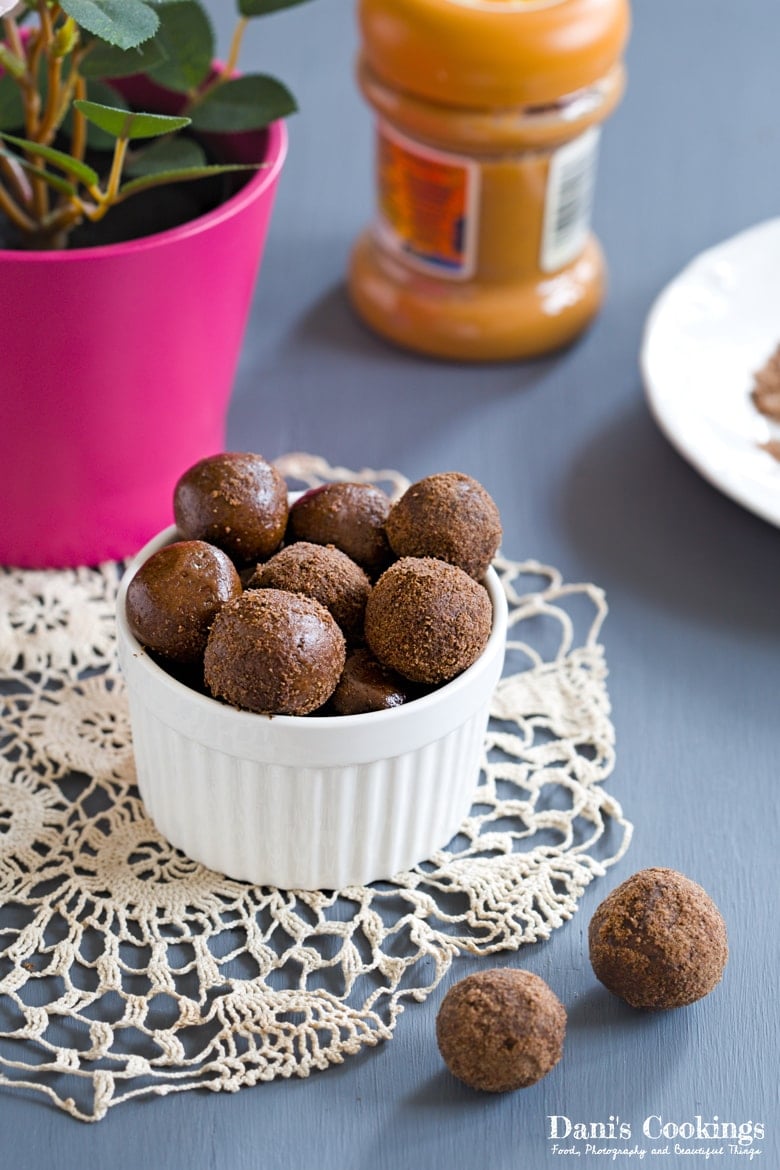
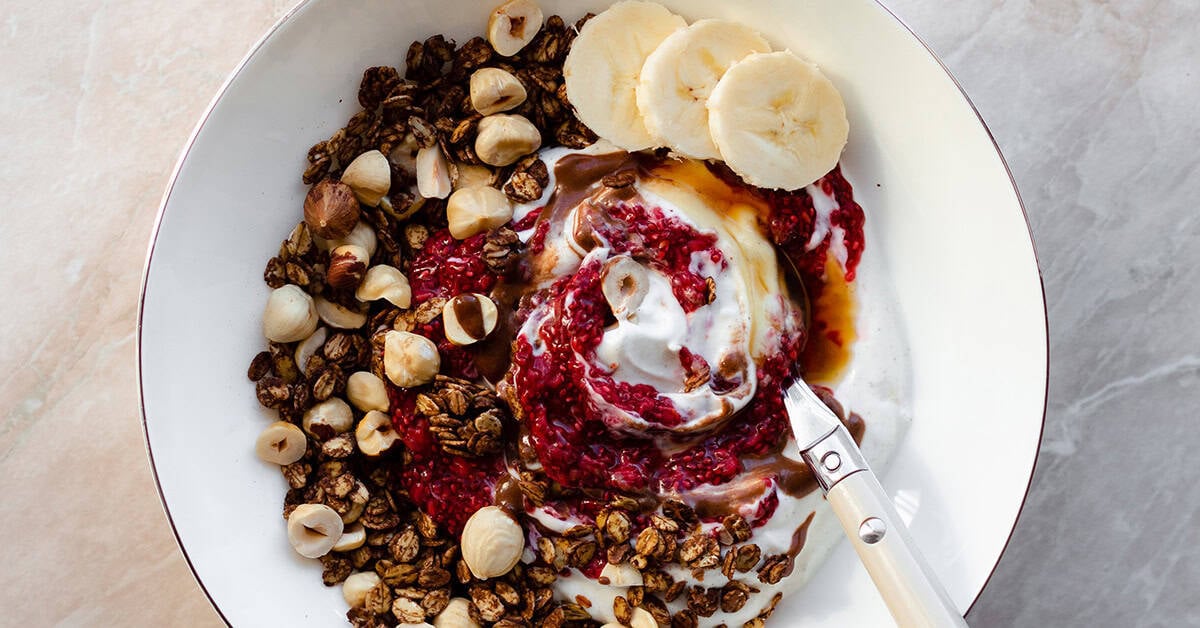
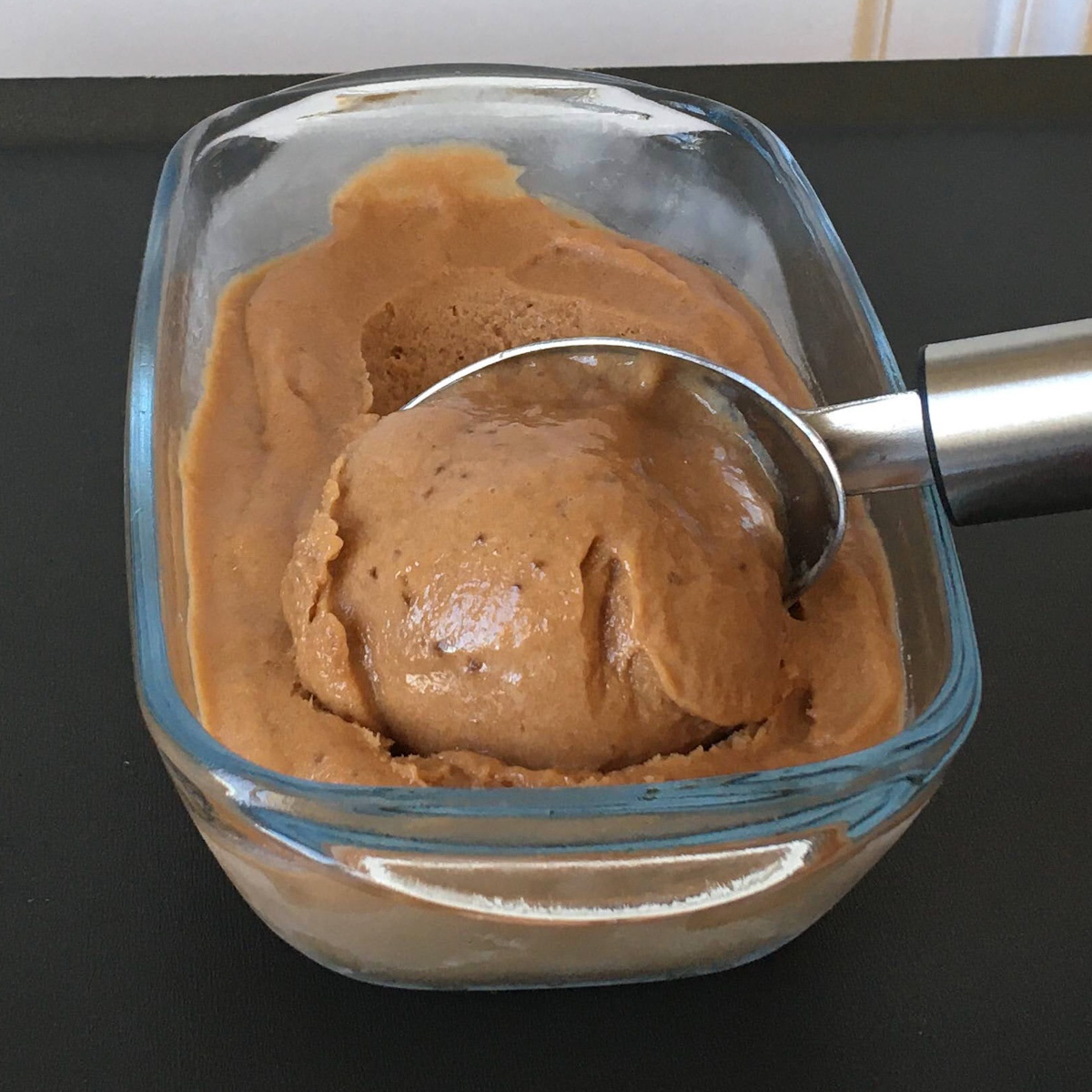
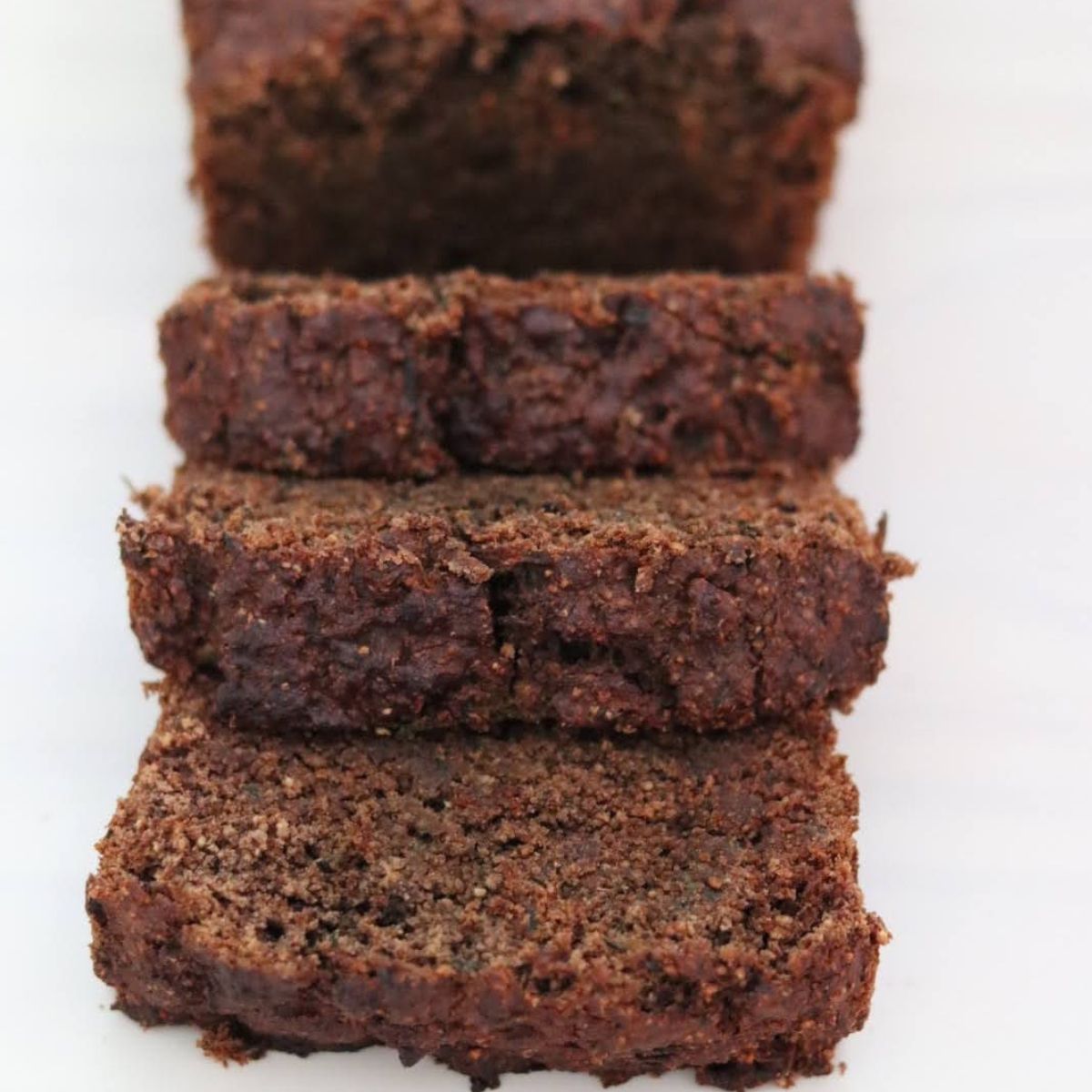
More delicious recipes using carob
Here is a selection of delicious recipes from around the web, all featuring carob powder.


If you want more Lag Ba’Omer recipe ideas, you can see all of my Lag B’Omer recipes here.


Gloria
What an interesting post. I have never tried carob. These cupcakes sound delicious. I will find some at the grocery store and give them a try.
Helen
Thanks Gloria! I hope you enjoy the cupcakes.
Juliane
I love this, really! Became my comfort food!
Helen
Thanks Juliane, that’s great to hear.
Tavo
Delicious recipe! Our kids loved these cupcakes and it was the first time cooking with carob! A keeper!
Helen
So glad you all enjoyed them Tavo!
Beth Sachs
These carob cupcakes look so moist and delicious.
Helen
Thanks Beth! They really are 🙂
Natalie
I used carob powder for the first time. My girls loved the taste of these cupcakes. We do love to try new ingredients, thanks!
Helen
That’s great to hear Natalie – it’s always fun to try something new and different!